ETHICAL STORYTELLING
NOT ALL STORIES ARE ours TO TELL.
Stories are everywhere. Telling them comes with responsibility, especially when they involve someone else’s lived experience.
Stories shape how we understand our world. They influence everything we do and think. Most importantly, they influence how we see other communities outside our own.
At Stories We Cherish, I explore what it means to tell these stories with care. That’s why I created a framework that not only guides how I work, but helps others to tell stories the right way.
WHERE IT BEGAN
A JOURNEY THAT
CHANGED HOW I SEE
stories.
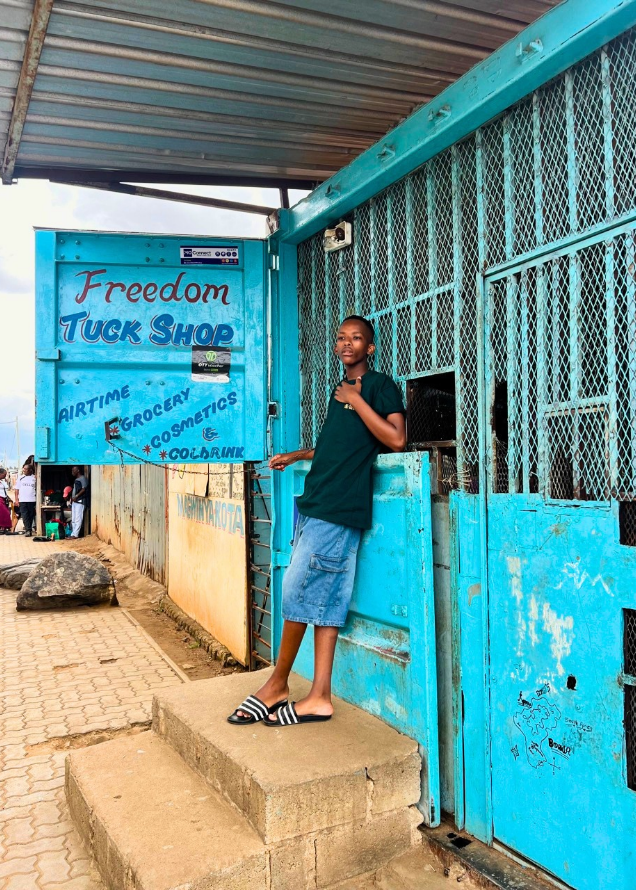
The Ethical Storytelling Framework grew out of six weeks of fieldwork in South Africa. I spent time listening to different communities, exploring how they share and understand stories.
The experience challenged me to think beyond the story itself. To consider the people behind it, the knowledge they hold and the responsibility that comes with being invited to share it.
Listening is only the beginning. How we work with people, involve them in the process and recognise their contribution matters more.
THE FOUNDATION
THREE QUESTIONS
we need to ask.
01
Who owns the story?
Understanding who a story belongs to and who has the right to share it.
02
How should it be handled?
Considering the context, sensitivity and care required when telling someone else’s story.
03
Who benefits?
Thinking about whose interests are served, who is recognised and who gains from the story.
CONSULTANCY
FROM THINKING TO meaningful work.
The Ethical Storytelling Framework isn’t just a set of questions. It’s a practical way of approaching projects that involve people, communities and their stories.
I use it to guide the work from the earliest stages of research through to collaboration, creation and sharing. It helps ensure that people aren’t simply the subjects of a story, but are involved in shaping how it’s told.
Through Stories We Cherish, I work with organisations and creative teams to bring this approach into their own projects, developing work that is thoughtful, collaborative and responsible.
METHODOLOGY
The framework follows a clear but flexible process.
Research
Engagement
Alignment
Consent
Distribution
Reflection
LET’S TALK
START WITH A conversation.
If your organisation works with stories, heritage, identity or community experience, I’d love to hear what you’re exploring — whether you’re developing a creative project, looking to engage a community or rethinking how you tell an existing story.
ENQUIRE ABOUT CONSULTANCY